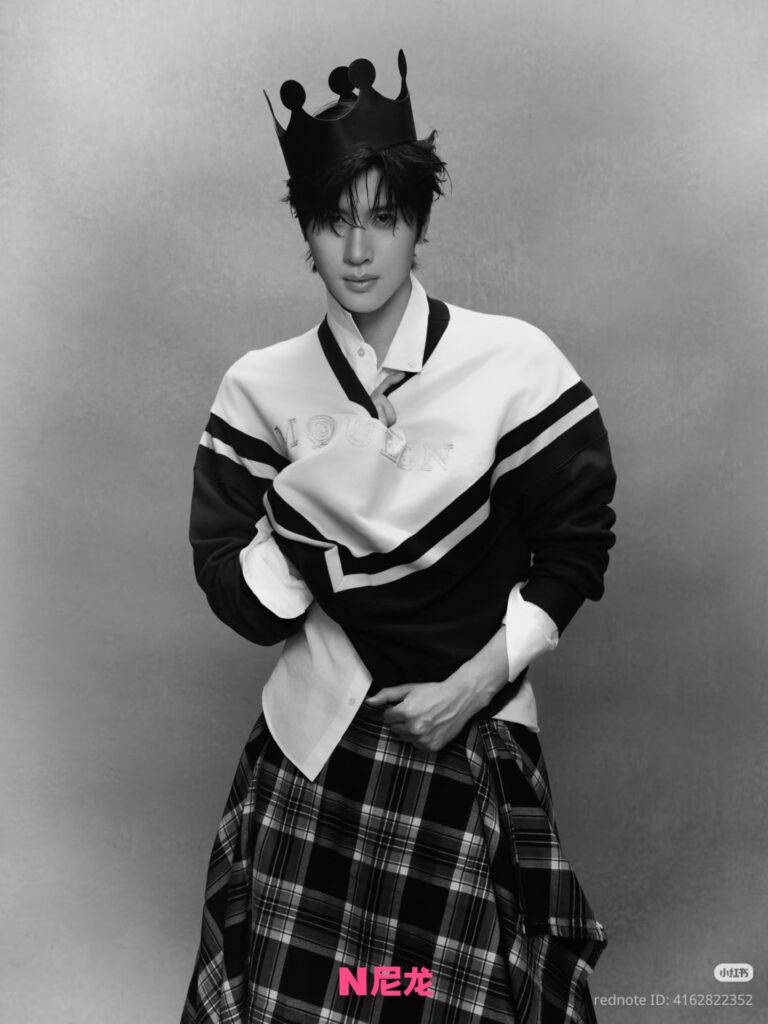
Zhan Xuan: A Decade Waiting for the Wind
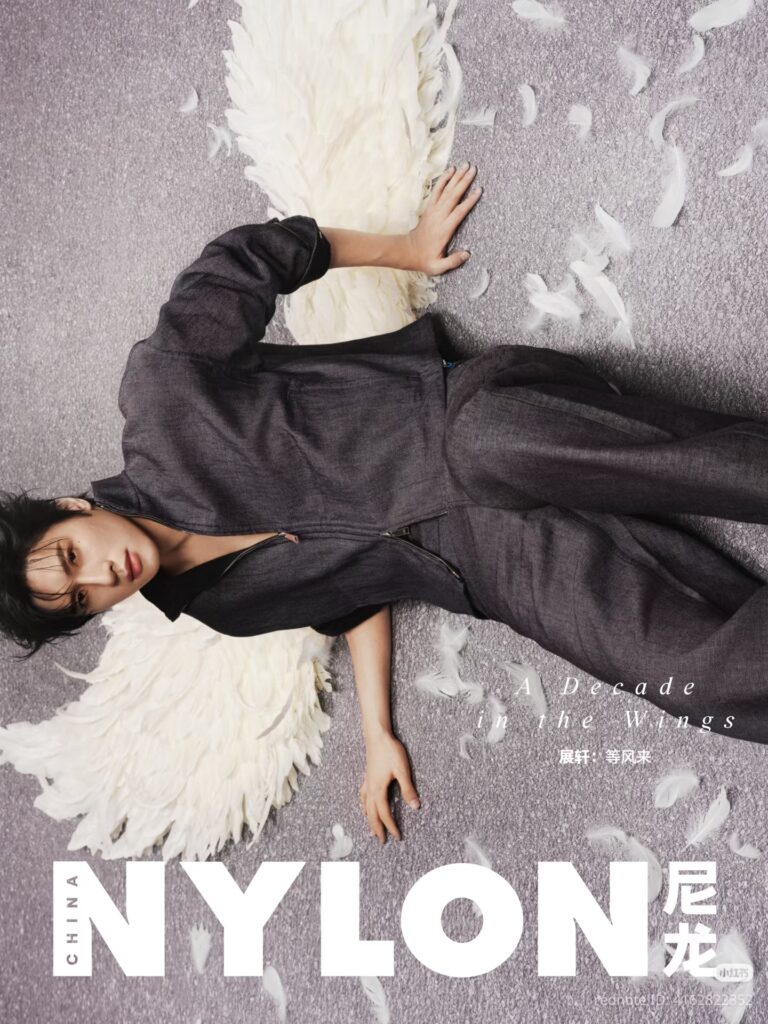
From a rented room in Sihui East to the three-sided stage at Jing’an Sports Center, Zhan Xuan walked a full decade. They boy who once could only speak to his own reflection finally, at the age of 29, waited for the wind that belonged to him.
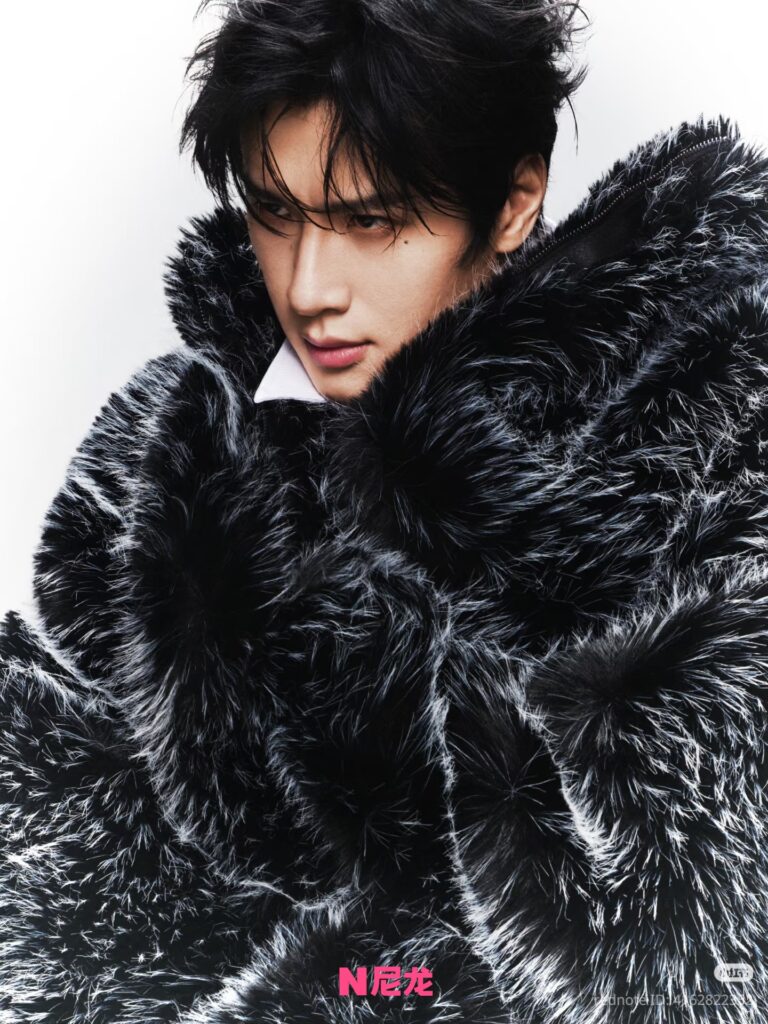
In 2026, Zhan Xuan marks the tenth year since his debut. Along the way, through stumbles and setbacks, he moved from extra roles to contracted actor, advancing step by step from supporting roles to leading man. He shot commercials, performed in stage plays, did cosplay, appeared in variety shows across horizontal and vertical screens, and acted in both short-form and long-form dramas… until finally, in the summer of 2025, his name was truly seen.
Zhan Xuan doesn’t believe he “blew up overnight.” When more than 3,000 people sang “You” in unison, when the fireflies from his childhood vegetable field turned into glow sticks beneath the stage, gathering into a galaxy of light, that boy who once could only speak to his own reflection finally, at the age of 29, waited for the wind that belonged to him.
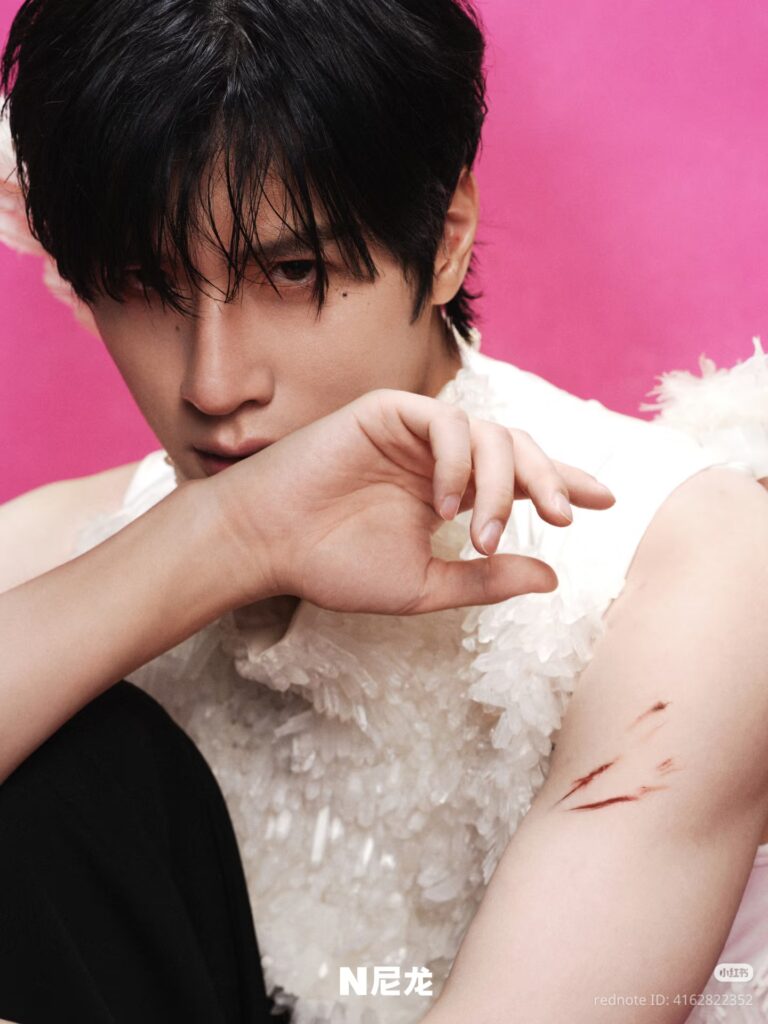
Chapter 1: Running Toward Each Other
At the beginning of the new year, Zhan Xuan held a birthday concert titled “See You on Sunday 3PM” at the Shanghai Jing’an Sports Center Gymnasium. Two days later marked the last birthday of his “twenties.” The new stage of life often described as “thirty and standing firm” had quietly arrived.
In the past, he regarded birthdays as just ordinary days. Facing the passage of time, Zhan Xuan prefers to take things lightly and embrace the present, “I’m not really someone who makes a big deal out of birthdays. The most ritual I’d have is probably eating a bowl of noodles and adding an egg.”
But this year’s birthday was anything but modest. More than 3,000 people traveled from all over the country, carrying the ups and downs of their own lives, just to keep one promise, “See you on Sunday 3PM.”
When the curtain rose, Zhan Xuan stood on a three-meter-high stage lift, surrounded on three sides by the audience. The sea of flickering light sticks and the endless piercing cheers felt like a dream. In that moment, he completely shed the technical composure of performing a song well; he was simply a real and tangible person whose defenses had been pierced by emotion.
“The day before, during rehearsal, there were only rows of empty seats below the stage. But the moment I stepped onto the stage the next day, even though I had prepared myself mentally over and over again, I still choked up. The tears just wouldn’t stop falling,” Zhan Xuan said.
The tension and emotion in his heart intertwined, making it hard for him to continue singing the first song, “You,” at one point. But after holding back his tears and finishing the performance, he felt completely healed by the song:
“‘You’ is a song dedicated to the friends who like me. Every time I see everyone there at the venue, I feel more and more grounded when I sing, sometimes I even unconsciously start freestyling on the spot,” he laughed. “I leave a distinct personal expression in each song, and everyone gives them different interpretations and feedback. And every time I perform these songs for the audience, they resonate differently with each person. That’s the beauty and vitality of music.”
“Like an invisible ribbon, music tightly connects the emotions of the audience with the performance on stage.”
In contrast to “You,” “I” is a song written for himself, and also one that is difficult for him to perform again. “After gaining the ability to do so, this song counts as a gift to myself. But I think I may rarely sing it live in the future, because every time I sing ‘I,’ I fall into a whirlpool of memories. It feels as if I can see my younger self standing on the other side, singing across the space with me. He’s holding a microphone too, and the two of us sing line by line, slowly.”
When he was young, his parents were busy with work. His best friend was his own shadow, and his closest companions were the fireflies in his family’s vegetable field. At that time, he could never have imagined that one day there would be so many light sticks raised for him, gathering into a brilliant galaxy.
When the birthday single “Be With Me” began with its surging melody, the atmosphere of the birthday concert reached its peak. This heartfelt English track, blending Hip-Hop and R&B styles, differs from his earlier delicate and emotional seasonal songs. Word by word, he powerfully expressed the fearlessness and tension of seeking breakthroughs amid the twists of fate, allowing trust and passion to surge like a tidal wave between the stage and the audience, as they ran toward each other.
“I created this song to give everyone something a little different in style. It’s a birthday exclusive, but also a form of sharing,” he said lightly. At the important threshold of 29, this “nine at the end of the twenties,” he gradually shattered past uncertainties and reshaped himself into someone confident, resolute, and brave enough to break through.
“The me now has healed a lot. I’ve walked slowly for many years, done a lot of work, and filmed some projects. Step by step, I’ve built myself up steadily and prepared as best as I can. As long as the wind comes, I believe I can ride it and soar.”
“Earlier, I saw someone online say that the experience of attending a concert is: in the whole venue, I don’t know anyone, and no one knows me, but I know you. I found that sentence so touching, and so beautiful.”
“To have a group of people who resonate with your inner world, who share your emotions, who applaud your courage and strength, it’s like a drifting boat slowly finding a safe harbor to dock.”
Chapter 2: A Brave Heart
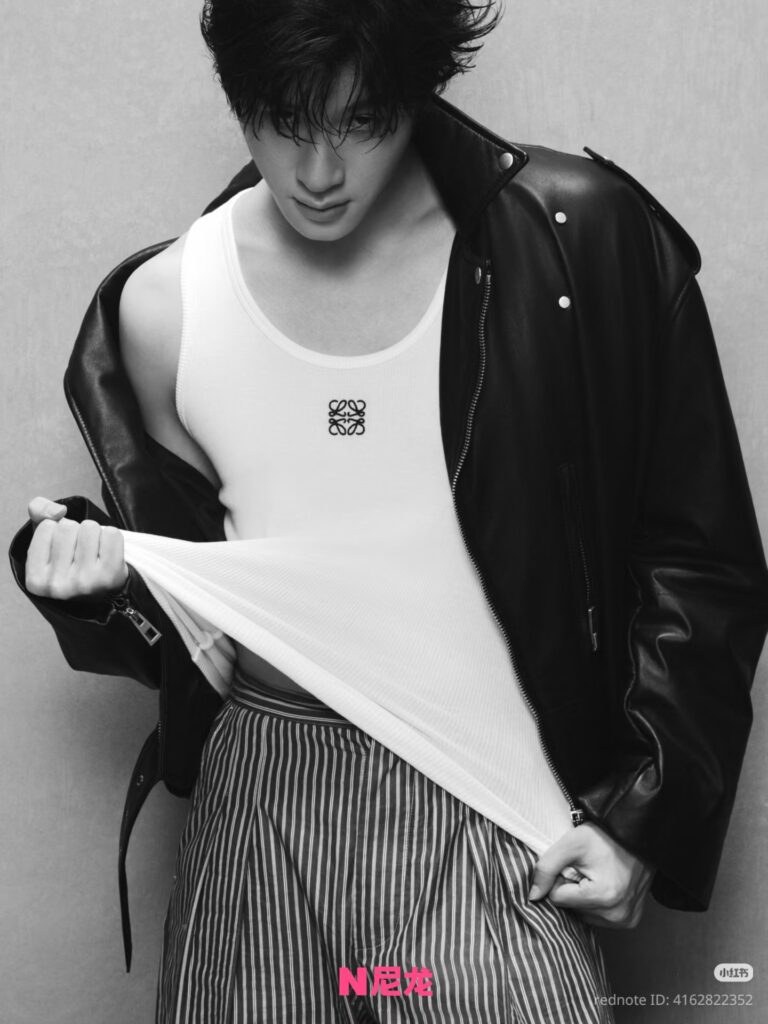
Precisely because he holds such reverence for this bond and shared connection with his fans, Zhan Xuan repeatedly says, “I feel like I still haven’t done well enough,” not prepared thoroughly enough, not expressing himself clearly enough, his performance lacking just a bit of finesse… and so on. This constant self-reflection stems from his grounded and sincere nature.
With 600 yuan in his pocket and a small Nokia phone his mother gave him before he left home, Zhan Xuan boarded a green train from Yangzhou to Beijing. It was the first time he traveled far on his own. He hadn’t yet fully felt the hardships ahead; youthful passion carried him forward.
He once lived in the Sihui East area near the subway line, separated from the railway tracks by only a fence, enduring the noise of passing trains every day.
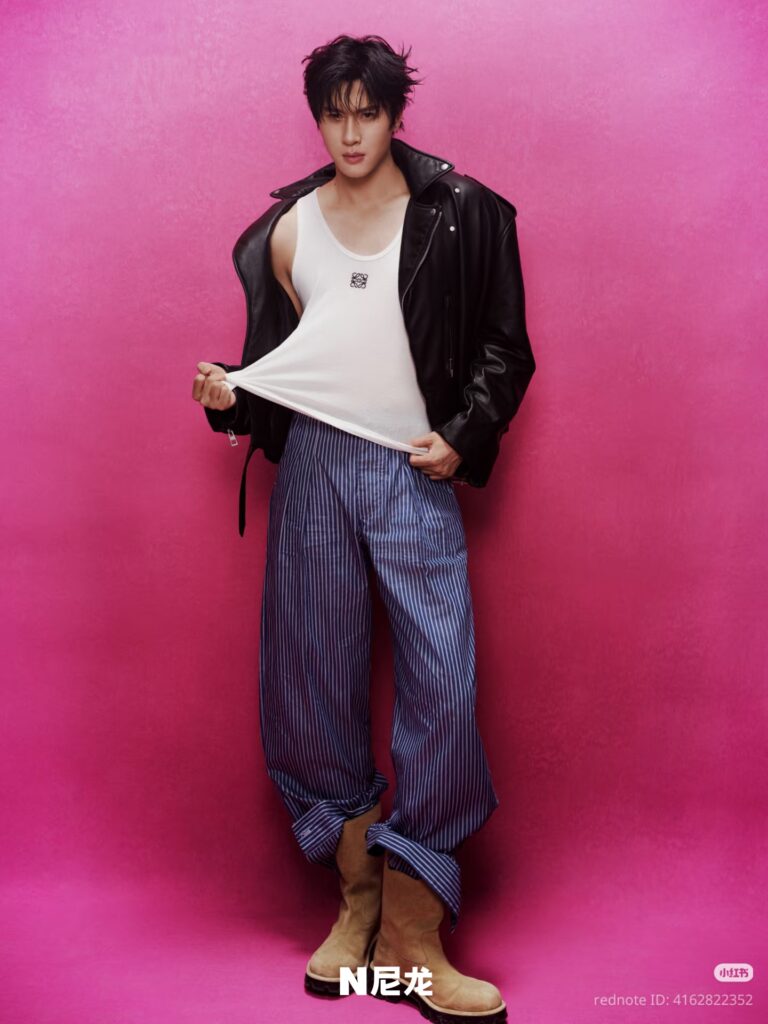
At the beginning, Zhan Xuan simply attended classes, focusing on learning some skills. He felt embarrassed to keep asking his family for living expenses, so he started working to support himself. Funny enough, he even ran into a casting scam. Every day he took Line 1 and the Batong Line across Beijing from east to west. He could sleep standing up on the train, and would wake up right on time when the train reached Gongzhufen or the Military Museum station.
At his poorest, his pockets were completely empty, he couldn’t even afford a meal. Back then, Zhan Xuan often went to a small wooden-barrel rice stall run by two brothers. Eight yuan for a portion, cheap and filling. Until one day, he passed by the shop but didn’t dare to walk in. One of the brothers leaned out and asked, “Kid, why haven’t you come to eat?” Zhan Xuan lowered his voice and said awkwardly, “I don’t have any money.”
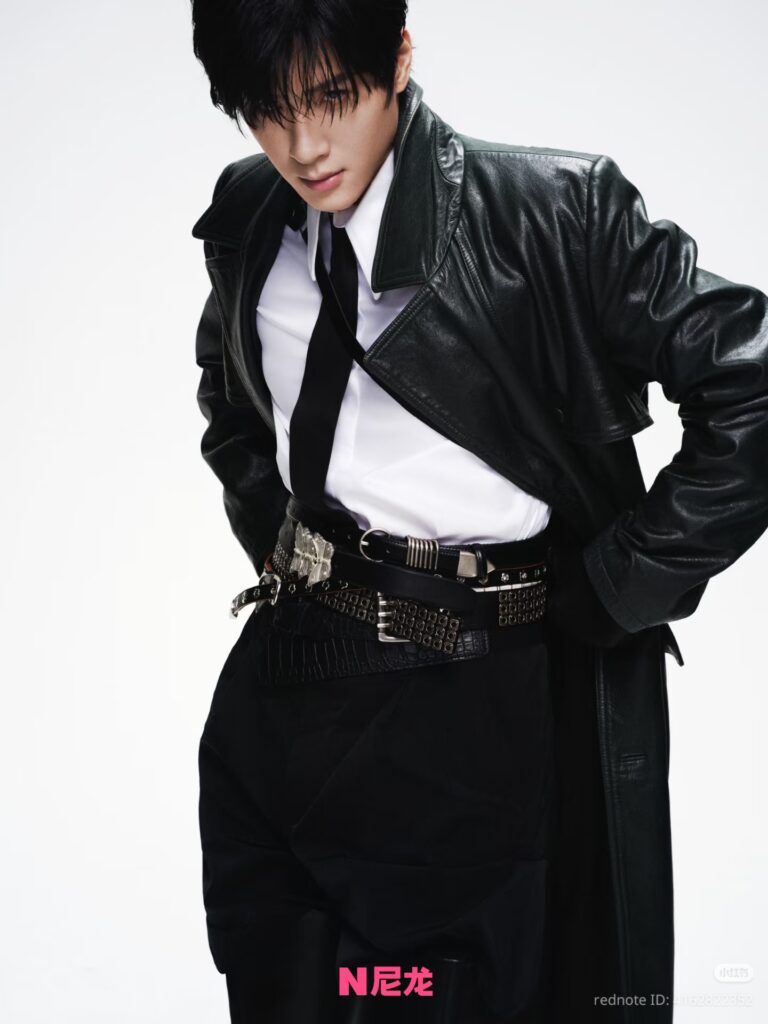
There was no cold indifference. The two brothers simply said, “Come eat even if you don’t have money. From now on, just come.” The kindness and sense of righteousness from good people upheld his fragile dignity while he was struggling alone in a foreign city. That Spring Festival, feeling that he hadn’t “made anything of himself,” Zhan Xuan was too ashamed to go home and face his parents, so he stayed alone in Beijing. After hearing this, the two brothers warmly invited this solitary young man to return to their hometown with them to celebrate the New Year.
In Gaobeidian Township’s Chengzhong Village, Zhan Xuan tasted his first sip of baijiu (colorless Chinese liquor) as an adult. Even now, standing in the bustling city center, the fiery spice of that liquor and the aroma of wooden-barrel rice remain flavors he can never erase from his heart. Regrettably, as the city renewed itself and time moved on, he completely lost contact with the two brothers who once pulled him through that cold winter.
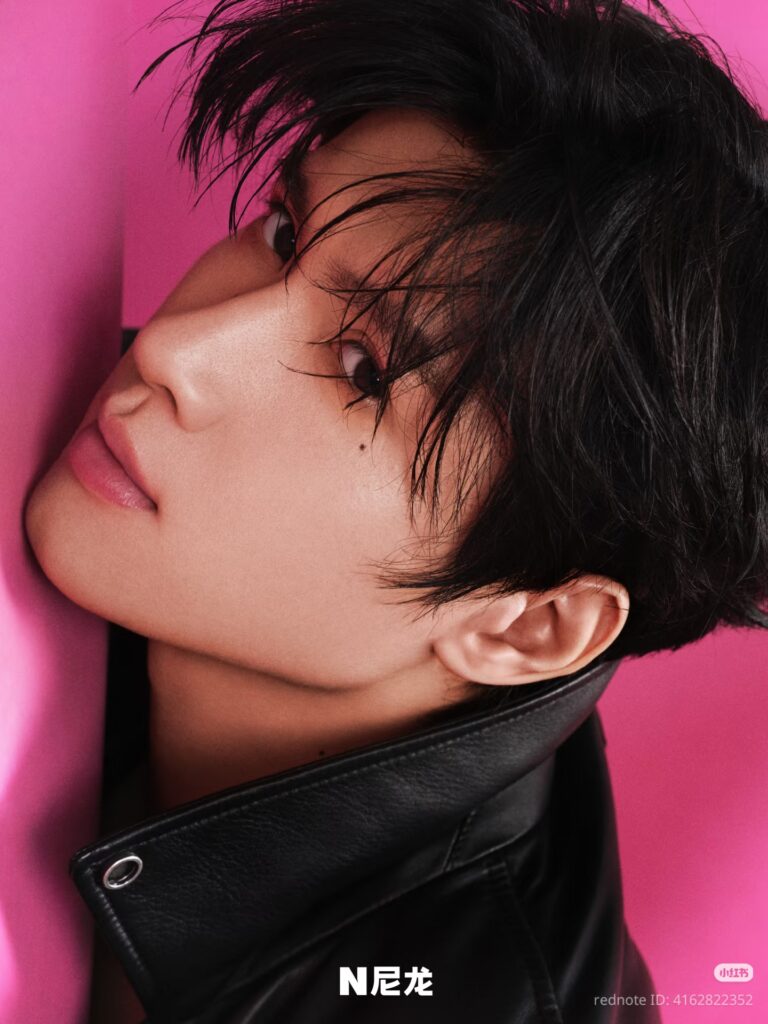
“I really want to find them now, but I can’t anymore.”
Zhan Xuan has transformed that regret into a deeper sense of devotion toward his family. Now, he has brought his parents to live by his side, doing his best to make up for the companionship he once missed because of “saving face.”
For Zhan Xuan, happiness is defined very simply: first, let his parents live a better life; then allow himself a little more fulfillment.
The steadiness in him comes from his hardworking and resilient parents. In his memory, his father was always quiet and strict, yet the most capable of enduring hardship, single-handedly supporting the family. He watched as their new house rose from the ground, starting from nothing, buying the first large beam, laying the first brick wall. Like a swallow building its nest, his father used his calloused hands to build, brick by brick, a bright and sturdy haven for the family.
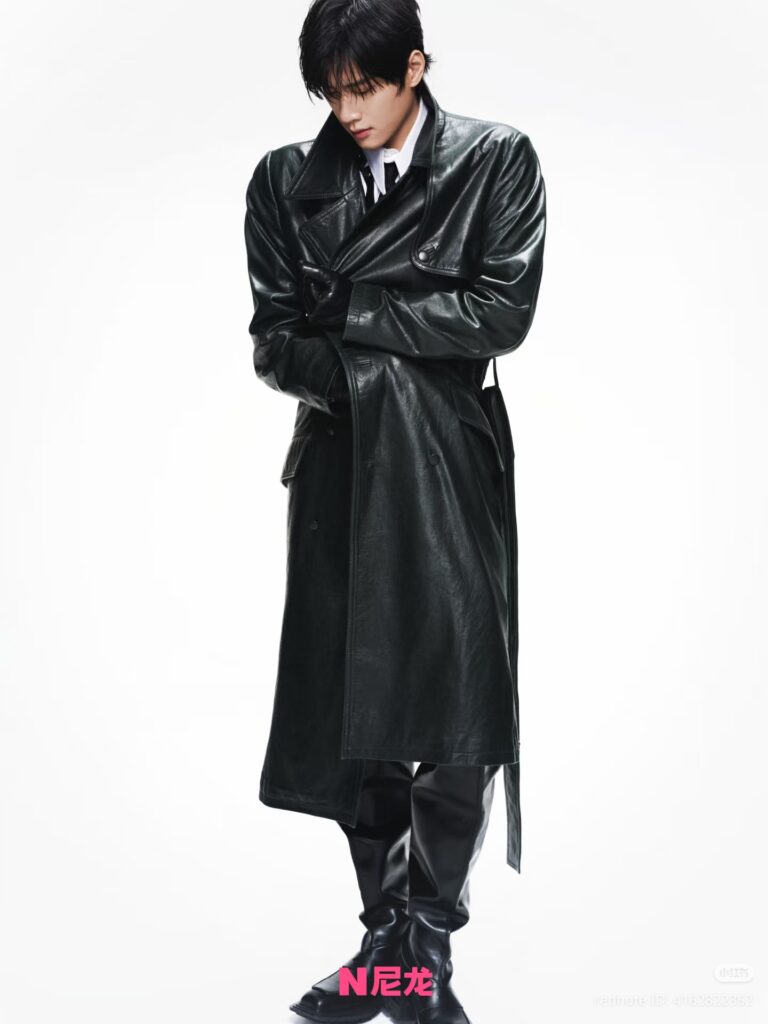
As for his mother, the long hair she once cut short is a tangible symbol of her deep maternal love.
“My mom used to love keeping her hair long when she was young. But one day she suddenly cut it short, right to her ears, very short. I remember asking her about it when I grew up. Her answer was simple, it was more convenient for work and wouldn’t get in the way. Now I’m starting to persuade her to grow it long again, so she can reclaim her right and freedom to love beauty.”
In 2018, he filmed his first drama, playing the younger brother of the male lead in the urban romance series The Gravity of a Rainbow. Zhan Xuan received much help and encouragement from senior actors on set, which strengthened his determination to become a professional actor.
He once thought that meant he had officially entered the industry, that he would continue acting with projects lined up one after another. But what followed were two years of silence. At one point, he gained weight to over 180 jin (around 90 kg).
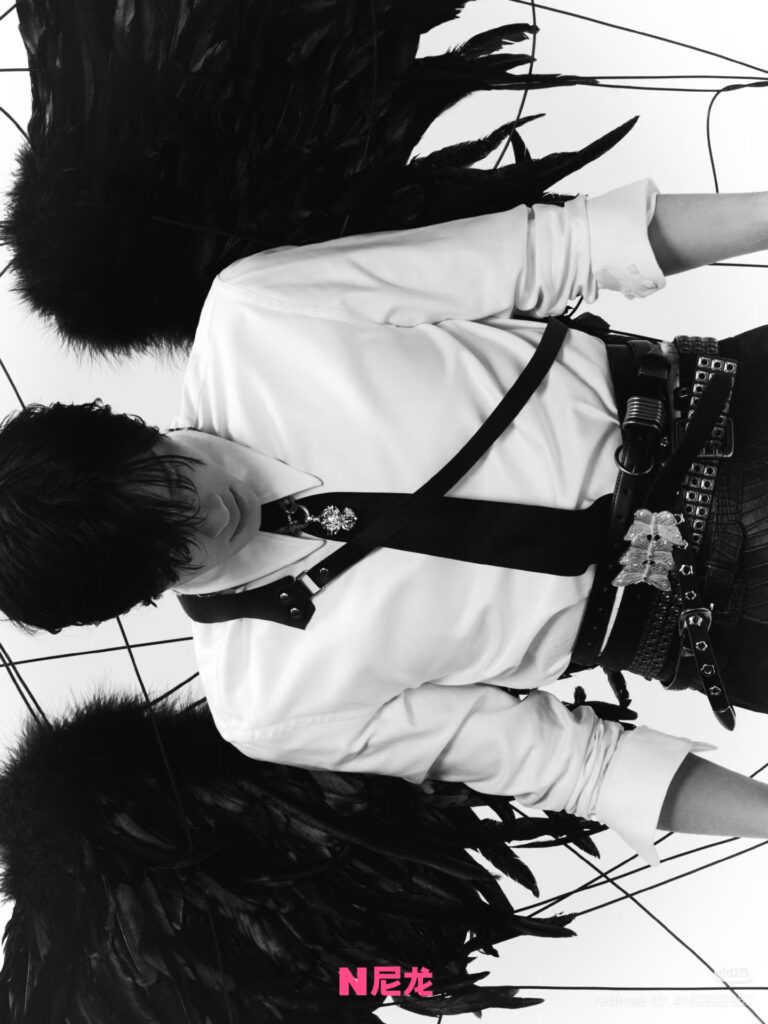
It wasn’t until he was cast as the male lead in the online film Dragon’s Bride: Dragon Island that hope reignited in him, the hope that “from now on, I’ll only get better.” After all, no one can remain stuck in silence forever.
Yet that period was filled with a long cycle of “audition, rejection, audition again.” He observed other actors competing for the same roles: they were handsome, striking, skilled performers. When acting opposite them, their lines were powerful and precise, their performances moving to the point of tears. As someone without formal training, he repeatedly fell into deep self-doubt and self-denial.
The moment that was hardest for him to come to terms with happened during the final round of an audition. He had made it to the last stage. Just as he stood firmly in front of the director, not even having the chance to introduce himself, he was rejected on the spot. The director’s reasons were, “too tall” and “not charming enough.”
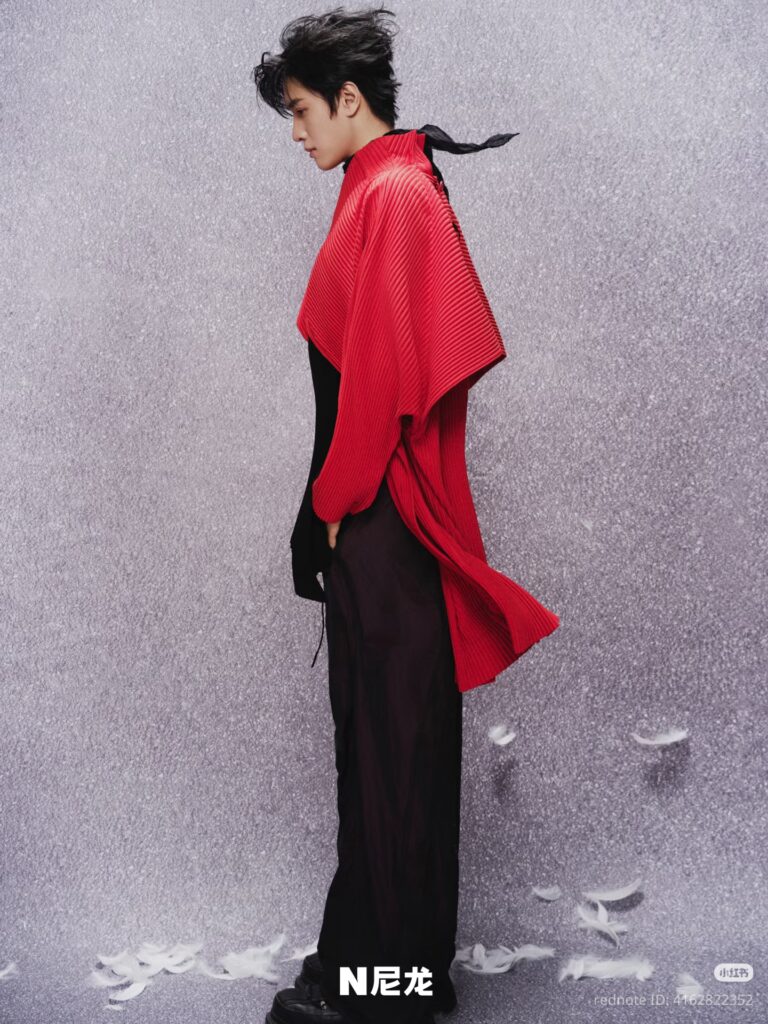
“I didn’t understand, if I didn’t fit the appearance requirements, why let me audition all the way to the final round?” Zhan Xuan said. Over time, this confusion gradually turned into a habit of self-reflection and self-healing. In other people’s standards of judgment, being chosen, or not, became something he learned to accept. Simply existing, in itself, holds meaning.
Learning to view others’ success correctly and maintain a balanced mindset, Zhan Xuan no longer compares himself to others, and not even to his past self. “I won’t tie myself down by obsessing over attention. I’m simply doing the work of an actor. Whether it’s now or in the future, every day is a good day of my life. Why should I compare today to yesterday, or to some future day that hasn’t even arrived yet?”
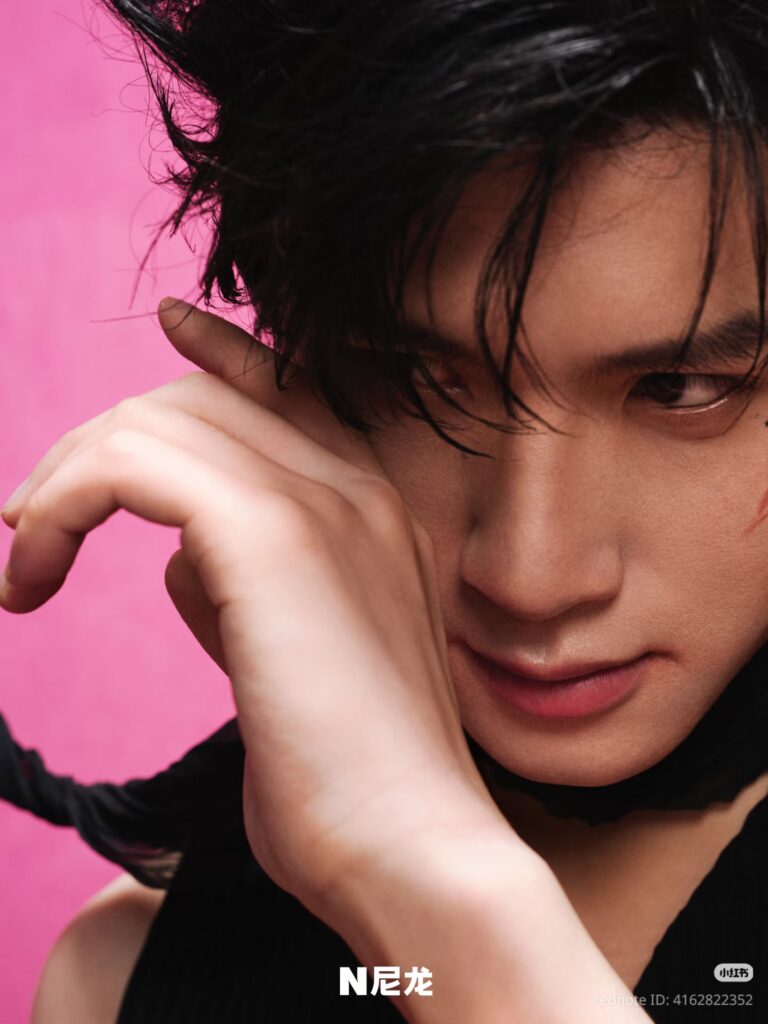
Chapter 3: The One Who Chases the Sunrise
The Legend of Sword and Fairy is a shared youthful memory for those born in the 1990s. Its classic character, Li Xiaoyao, ignited countless “xianxia hero dreams.” Zhan Xuan was no exception. In his life, Li Xiaoyao, and the actor who portrayed him, Hu Ge, became his earliest and most profound reference points for both the “xianxia dream” and the idea of being an “actor.”
He once dreamed of becoming a wandering swordsman, bright clothes, a fierce horse, traveling the world with a blade. In the early days of drifting north to Beijing to work, that youthful ambition unexpectedly came true in a curious way.
Once, while working as a ceremonial model at an anime convention, a swordsman cosplayer on stage needed to be replaced at the last minute. Zhan Xuan stepped in, hurriedly putting on ancient costume, wearing a wig, and carrying a prop sword on his back. It felt as if he had been endowed with a brand-new soul and special power. In the bustling venue, he experienced an unprecedented sense of exhilaration. The experience of cosplaying and standing on stage struck straight to the soul.
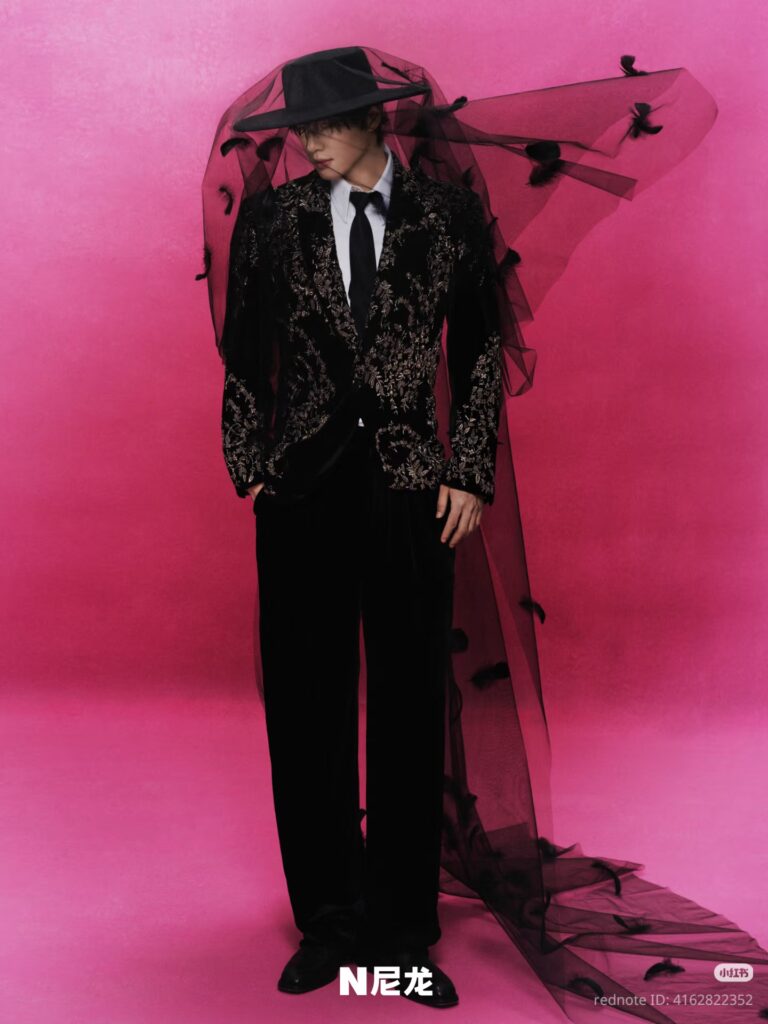
“I remember thinking at the time I’ve finally become Li Xiaoyao.” Compared to working as a ceremonial model, being a cosplayer not only brought a significant boost in income, but more importantly became a form of “three-dimensional training” in performance.
“One major reason exhibitors liked using me was that I’d get really excited once I was on stage. Normally, cosplayers just complete their scheduled appearances and then go rest. But I wouldn’t rest, I’d roam around the venue, take photos, interact. The lesson about ‘expressing your true self’ in acting? I didn’t even need it, I was already living it. Later I realized that as a cosplayer, I could play so many characters I dreamed of becoming, not just heroes, but also spirits, demons, angels. It was amazing.”
Through the shell of these roles, Zhan Xuan breathed in the air that belonged to the stage. As he gradually transitioned from being a cosplayer to becoming a true actor, temporarily setting aside Li Xiaoyao and that unfinished “xianxia dream,” he began drawing deeper strength from Hu Ge’s interviews and works, a kind of resilience that stays clear-headed at the peak and self-healing in the valley.
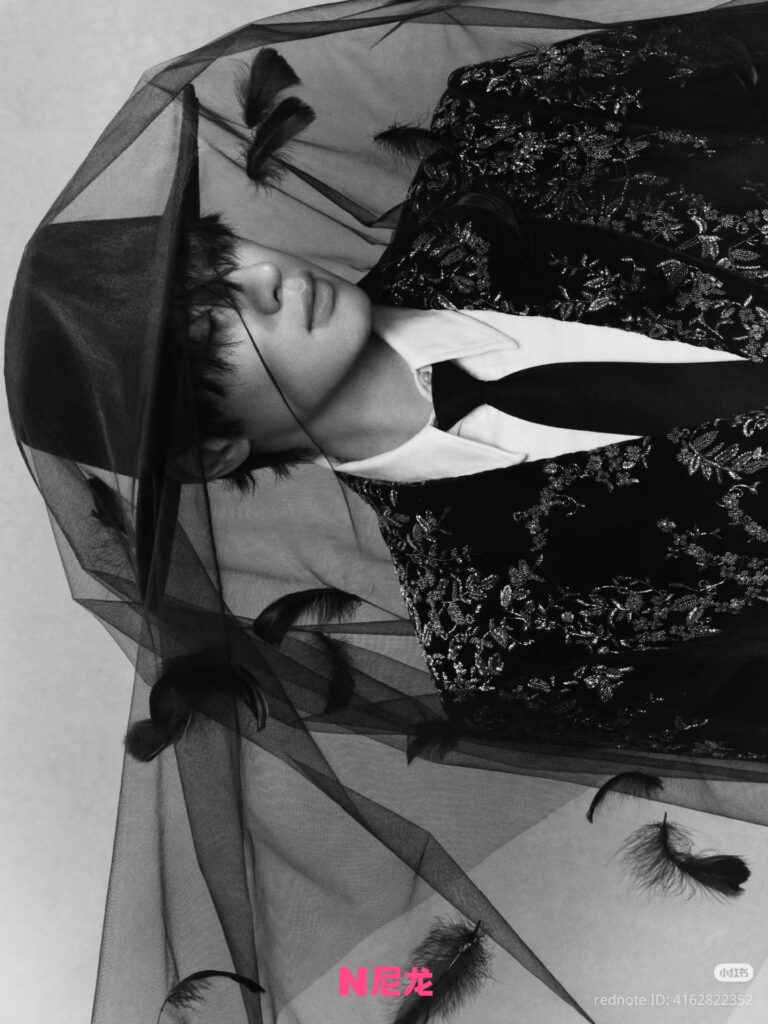
Recently, Zhan Xuan has been watching the TV drama Life Tree. The series tells the story of patrol members on the Kekexili grasslands who risk their lives to protect Tibetan antelopes. Hu Ge plays Doso, a Tibetan man who serves both as deputy county magistrate and patrol captain.
“This character gave me a lot of inspiration. I also want to challenge roles like that, someone who dedicates their whole life to guarding one thing. For example, a craftsman preserving traditional skills amid the tide of technology, or someone like the character in Life Tree, who spends a lifetime protecting a stretch of grassland, standing against the times and against the authority of technology.”
After chasing the first sunrise of autumn last summer, Zhan Xuan recently set out again with a childhood friend. They rode motorcycles through the streets of Beijing at dawn, heading to Jingshan Park to watch the sunrise. After half an hour of riding, one went up the bridge and the other went down, and they ended up wandering through the maze-like underpasses of the 3rd Ring Road (Beijing).
The worst part? His brand-new tire suddenly blew out at a traffic light without any warning. All these elements thrown together sounded like some wildly imaginative comedy: a sleepless night, a blown tire, frozen hands, a sudden overcast sky, and even a livestreaming influencer at Wanchun Pavilion, the best viewing spot. Yet together, they formed the raw edges of real life.
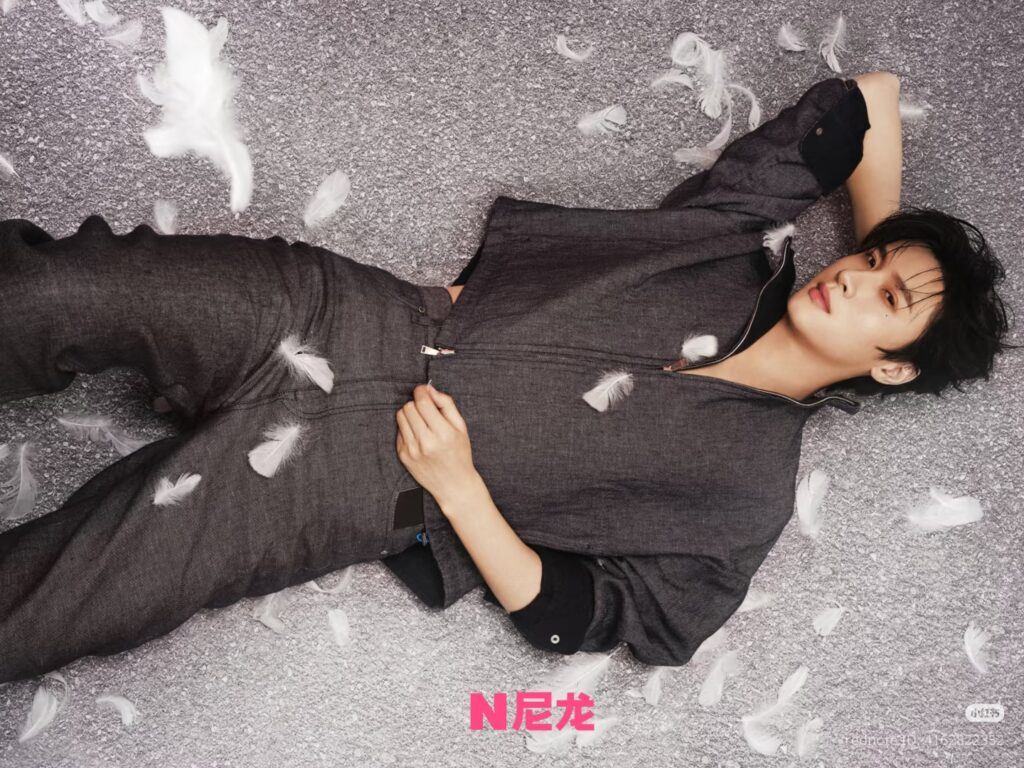
The wind will rise. The sunrise may not always be on time. But even catching that fleeting minute of faint morning light is still a gift from life.
The sun will rise. The wind will come. Twenty-nine will arrive. And that boy who once stood in Sihui East watching the train tracks will, after countless “not quite on time” mornings, finally meet the life that arrives for him just as promised.